
Read Lokrum history through its buildings and gardens
Lokrum history becomes clearer when you treat the island as several overlapping landscapes. Benedictine remains, a residence integrated into the monastery complex, older garden avenues and a botanical research garden belong to different periods. A walk can connect them, but their stories should stay distinct. Choose a guided island route for that connection or a private combination with Dubrovnik as the starting context.
The documented foundation of the monastery goes back to 1023. Fort Royal belongs to a later military chapter, while the botanical garden was founded in 1959. Between those landmarks sit earthquakes, changes of ownership and an unfinished quarantine project. The appeal of a history visit lies in reading those changes in the island's buildings and planted spaces.
Guided walks with Lokrum history
The island walk includes a boat ride and local legends. The private guide offers a customized walk, with ferry tickets only in selected options.
Hand-picked tours, booked through GetYourGuide. Prices are indicative starting prices in euros (as of October 2026). Tap a tour for live availability and the current price in your currency.
Private Dubrovnik and Lokrum walk
- Private expert guide
- Insights into history and culture
- Round-trip ferry tickets if selected
Ferry tickets, the fort entry and a meal are included only with the corresponding options; check island admission separately.
Check availability →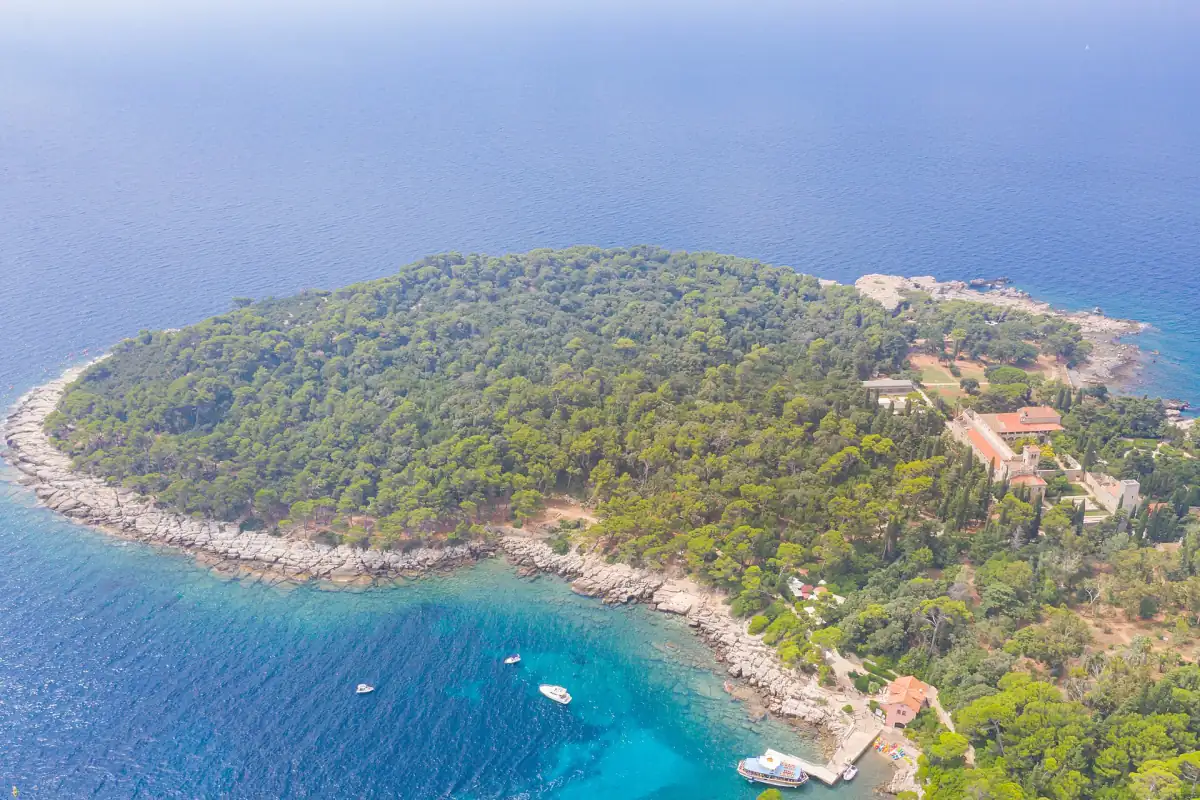
Lokrum history walk with boat ride
- Boat ride to Lokrum
- Light hike to Napoleon's hilltop fort
- Island legends and plants
The guided walk explores island history and includes a coffee break. Confirm the admission terms when booking.
Check availability →Walks through Lokrum's historical landscape
An island walk with a boat ride and a private Old Town and Lokrum combination approach the island's past in different ways.
Lokrum monastery and the later residence
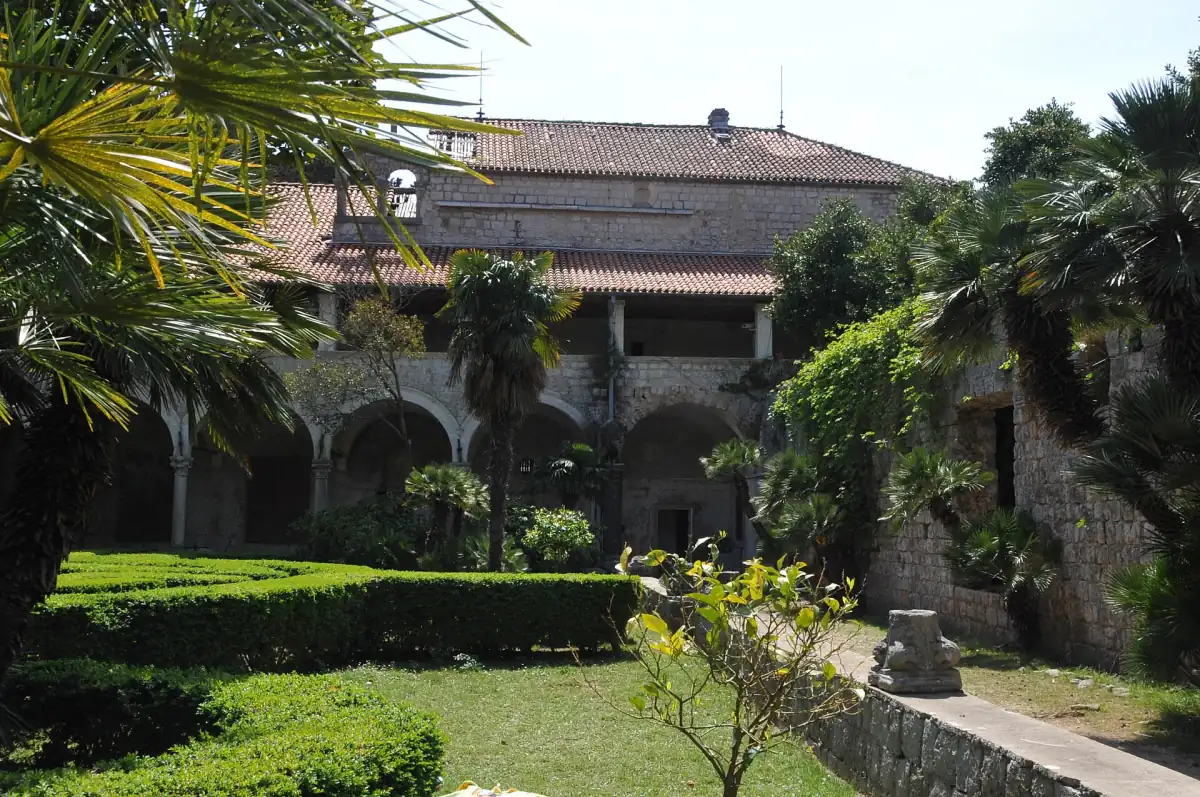
The monastery's first written foundation source dates to 1023. Its Romanesque church and later Renaissance cloister form part of a complex altered over time. The earthquake of 6 April 1667 destroyed the church and medieval structures. Surviving monastery sections, the ruins of the Romanesque-Gothic basilica and the Gothic-Renaissance monastic building therefore deserve separate attention.
Maximilian of Habsburg bought Lokrum in 1859 and integrated his residence into the monastery complex. That later domestic use helps explain why a visit brings together religious ruins and residential architecture. Look at the relationships between the structures rather than imagining an entirely unchanged medieval monastery. Plan the walk around the areas accessible during your visit, with interior access considered separately from entry to the island.
The botanical garden and older landscapes
The botanical garden on Lokrum was founded in 1959 to introduce and acclimatise tropical and subtropical plants. It belongs to the University of Dubrovnik's Institute for Marine and Coastal Research. Plants are predominantly of Australian and American origin, giving the research and display collection a different purpose from the island's older monastery gardens and Maximilian's landscape gardens.
War damage affected the botanical garden in 1991 and 1992, with restoration beginning in 1993. This adds a modern recovery story to the older planted landscape. When connecting garden stops with the monastery, keep that distinction in mind: the historical grounds and the botanical collection are related parts of an island visit, with their own origins and functions.
Fort Royal on Lokrum and historical paths
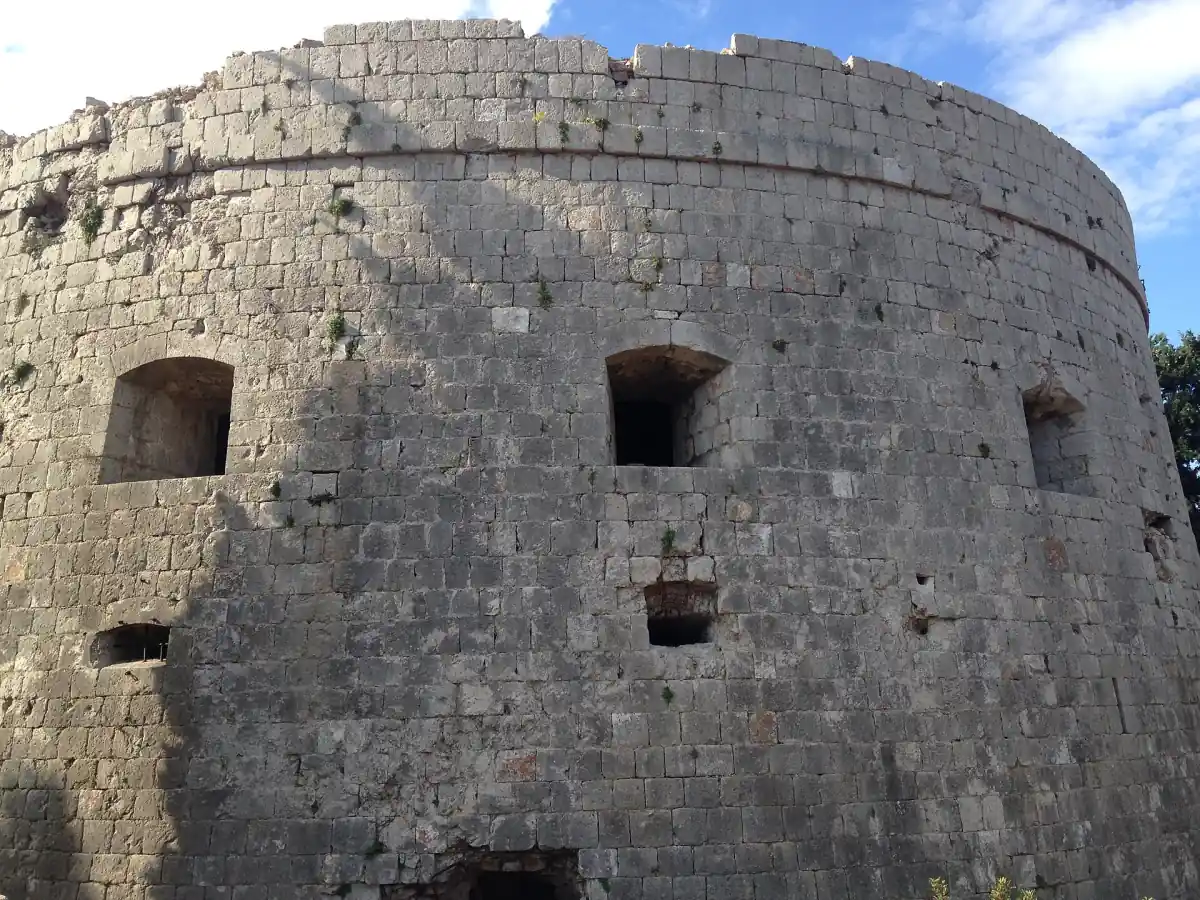
French construction of Fort Royal began after the capture of Dubrovnik in 1806, followed by Austrian expansion in 1835. The fort has a circular plan and occupies Glavica, the island's highest hill. Its military form offers a different historical subject from the monastery below. Include it according to the accessible route on the day rather than attaching a fixed walking time to the visit.
The Path of Paradise belongs to the avenue system laid out in Maximilian's time towards the fort. It was originally associated with cypresses and stone edging. Following the designated paths lets you connect garden history with the hilltop military landscape. The island is also home to peacocks introduced in the nineteenth century; observe wildlife without feeding or disturbing it.
An unfinished quarantine project
In 1534 the senate decided to establish a quarantine facility in northern Lokrum. The project was not completed. In 1647 a decision was made to use its stones for the city walls. This episode links the island to Dubrovnik's maritime history through a specific building project, rather than turning the whole island into a single uninterrupted monastery story.
A guided walk or private accompaniment?
The island walking product includes a boat ride to Lokrum, a walk discussing legends, plants and traditions, and a route to the hilltop fort. A coffee break and optional swim in the saltwater basin also form part of the programme; budget for your drink separately. Its advertised admission wording needs clarification before booking because the inclusions do not list reserve entry separately.
The private combination includes an expert guide, a customised Old Town walk, historical and cultural insights, photo stops and local recommendations. Return ferry tickets, a local meal and fortress admission depend on the chosen option; reserve entry should be budgeted separately unless explicitly covered. Compare private routes, the wider tour selection and island access arrangements before deciding how to combine land and boat travel.
Questions about Lokrum's past
Is the botanical garden part of the medieval monastery?
The research and display garden was founded in 1959. It is distinct from the older monastery gardens and the landscape gardens associated with Maximilian.
What is Fort Royal?
It is the circular hilltop fort on Glavica, begun under the French and later expanded by the Austrians. Use designated visitor routes when including the fort area in your visit.
Does the guided walk include coffee and admission?
A coffee break describes a stop rather than a paid drink. The walking product includes the boat ride, while its reserve-admission arrangements need clarification. Private-tour ferry and meal inclusions depend on the option selected.